
Share This Article
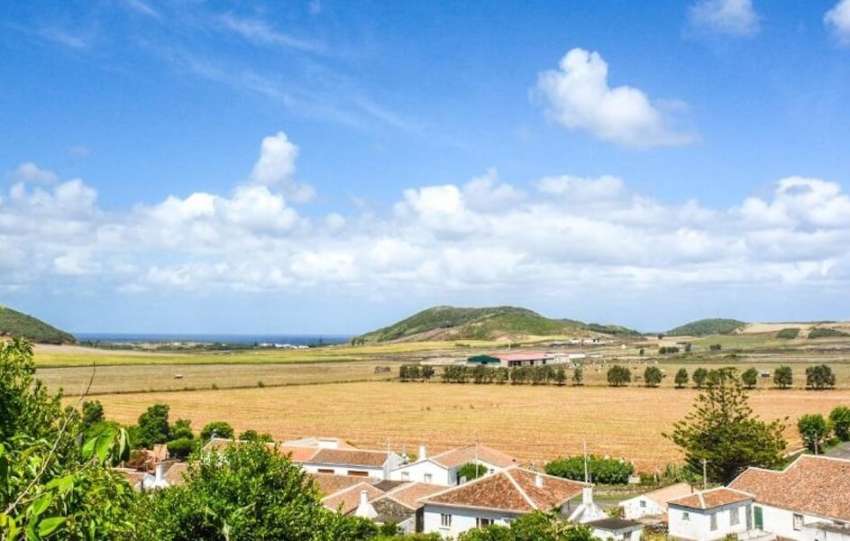
Everyone keeps dismissing Graciosa island because “it’s too small” and “there isn’t much to do”, but I am here to prove you differently. I want to show you how extraordinary Graciosa island, with its preserved Azorean way of living, truly is. And with less than 25.000 visitors a year (contrasting with the Azores Archipelago, which welcomes more than ONE MILLION people), Graciosa truly is the last secret in the middle of the Atlantic. A hidden gem for how to discover on this Guide of the Best things to do in Graciosa island :)
No time for a long article? Here’s a summary:
These are the best things to do in Graciosa Island:
- For animal lovers: visit Franco and Sandra’s donkey farm. It’s such a special place, you won’t regret it!
- For adventure junkies: descend the vulcano at Furna de Enxofre da Graciosa. There is also Furna do Abel and Furna da Maria Encantada.
- For wine snobs: discover the best wines of the island at Adega Cooperativa da Graciosa.
- To relax: Have a massage at Termas do Carapacho and then go for a swim at the natural pools of Carapacho. It’s AWESOME :)
The best things to do in Graciosa island in the Azores are:
Walk into the heart of a volcano
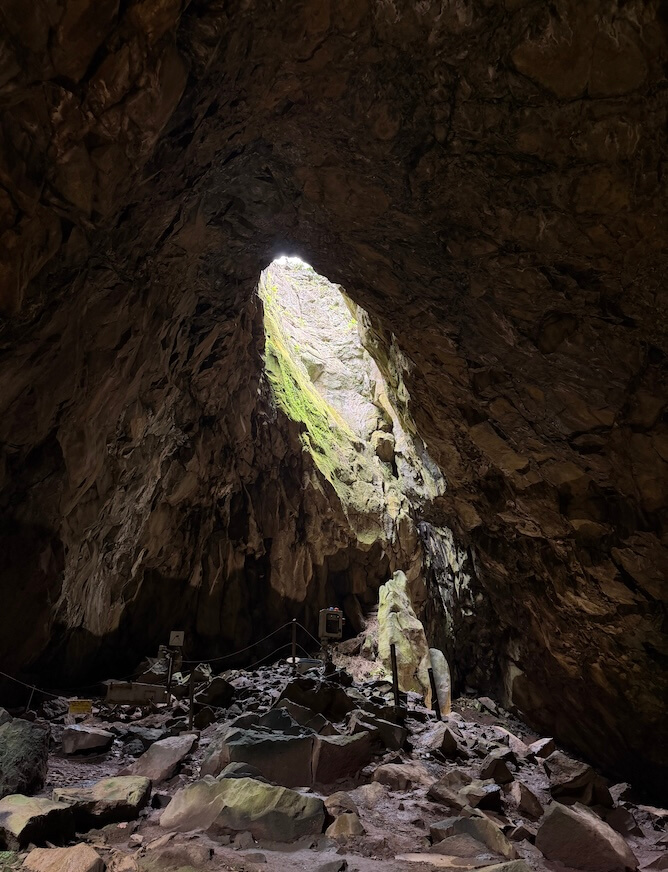
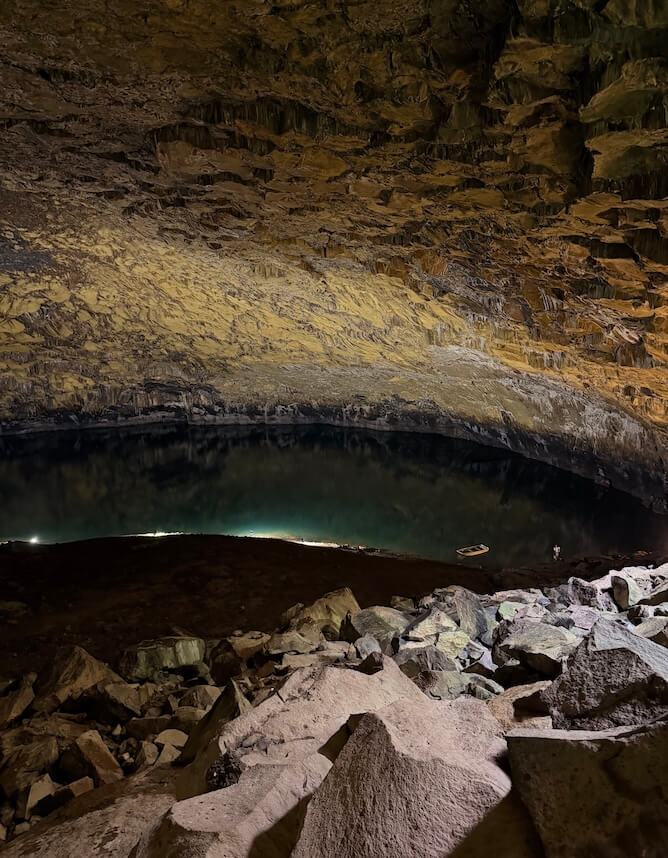
If you like geology and volcanic activity, one of the best things to do on Graciosa Island is to explore Furna do Enxofre, an impressive volcanic cave located inside the Graciosa Caldera. To get there, you’ll tackle more than 180 fairly steep steps (but totally doable) and be rewarded with a perfect dome, inhabited by countless birds, and a lake of sorts that is 11 meters deep.
I won’t lie: for anyone who has already visited Algar do Carvão on Terceira Island, Graciosa’s Furna do Enxofre isn’t as impressive, but it has the huge advantage of having practically no tourists (unlike Algar do Carvão, which is always packed with people), making for a much more intimate experience.
Price: 5€ / adult, 2 € for youngsters and elder citizens and kids below 6 years old don’t pay (in 2026).
Schedules: from April 1st to October 31st, it is open every day from 09h to 17h. During the low season, it has the same schedule but it closes on Mondays and Sundays.
Go wine tasting at Adega Cooperativa da Graciosa
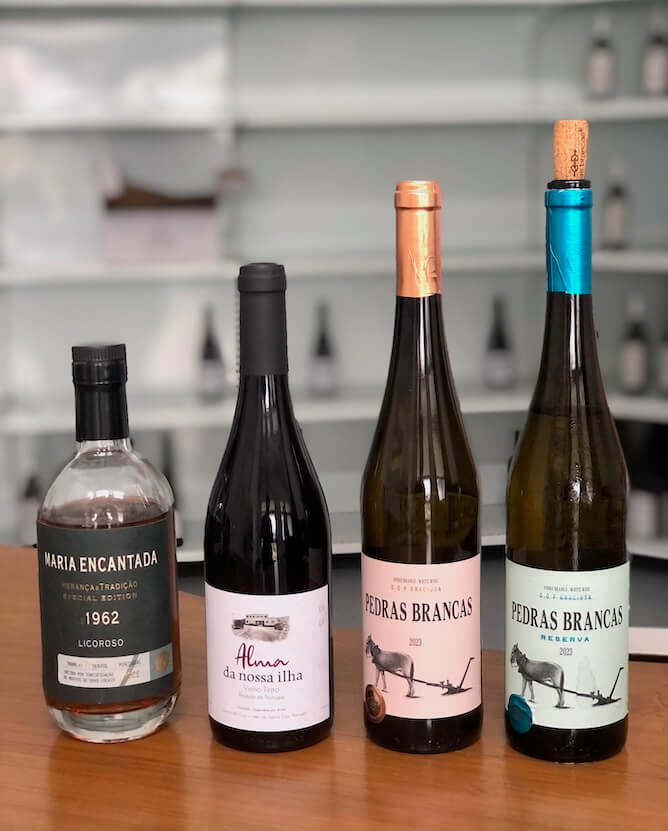
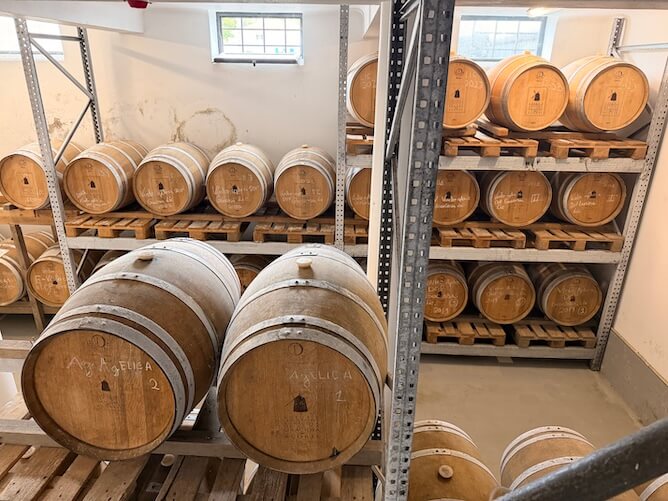
One of the best things to do in Graciosa island is to go wine tasting. Indeed, besides the fabulous wineries at Pico island, Graciosa is where you’ll find the best wines in the Azores. Particularly because it is Paulo Machado, THE best winemaker in the entire Azorean archipelago, that makes them.
To do so, you need to go to Adega e Cooperativa Agrícola da Ilha Graciosa where all the grapes producers drop their grapes during the harvest season. Then, two wonderful ladies called Vânia e Nélia, take care of everything else.
They are also the ones that will conduct the wine tasting, but keep in mind that none of them speaks English.
Price: 15€ per person (in 2026). The tastings includes 2 white wines, 1 red wine, a brandy (“aguardente”, in Portuguese” and a liquor.
Schedules: from Monday to Friday, from 09h to 17h.
How to book your experience: send an email to pedrasbrancas-graciosa@hotmail.com
Go for a swim at Zona Balnear dos Poceirões
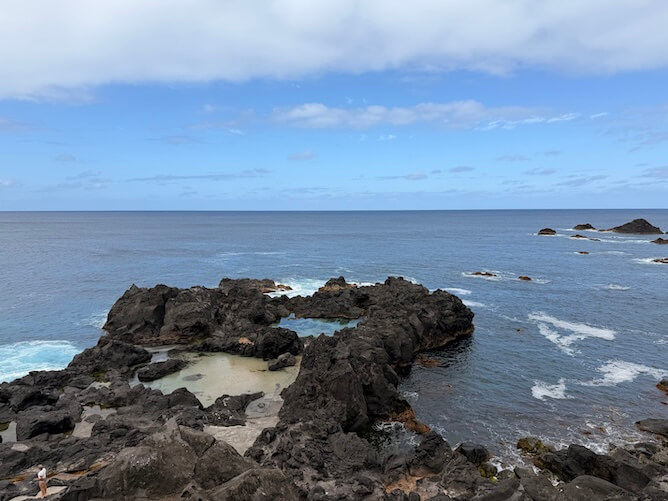
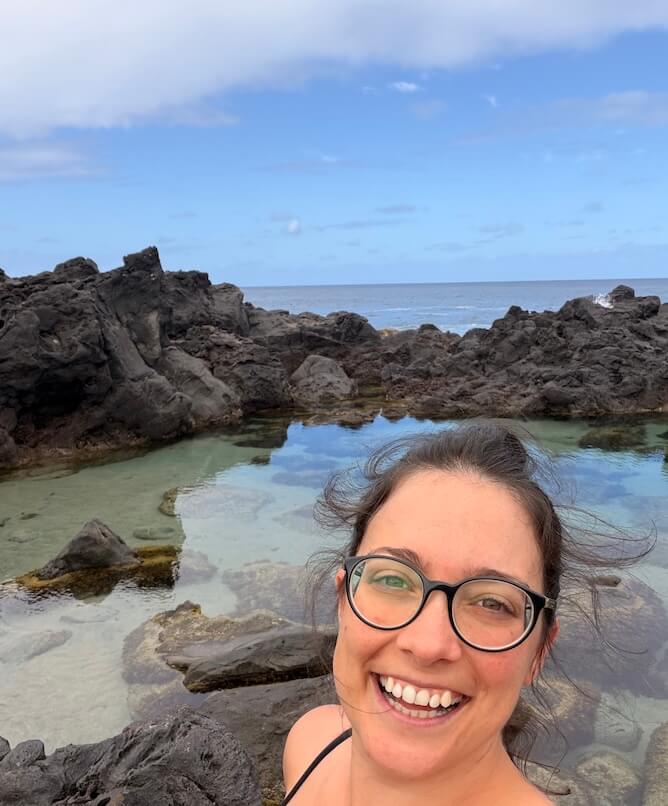
I read somewhere that enjoying the natural pools of Poceirões was one of the best things to do in Graciosa island and indeed, WHAT A SPECIAL PLACE! :)
The Poceirões Swimming Area consists of two tiny natural pools formed by volcanic rock. The first is very shallow, making it ideal for young children, while the second is perfect for adults: sheltered, free from waves and dangerous Portuguese man o’ war, with crystal-clear water teeming with friendly little fish and crabs.
The swimming area is very small and offers almost no space to lay out a towel, so I recommend arriving early during the summer months to secure a spot.
Please note that reaching the swimming area requires descending a fairly steep staircase, making it unsuitable for young children and people with reduced mobility.
Enjoy the views at Miradouro da Ponta da Barca
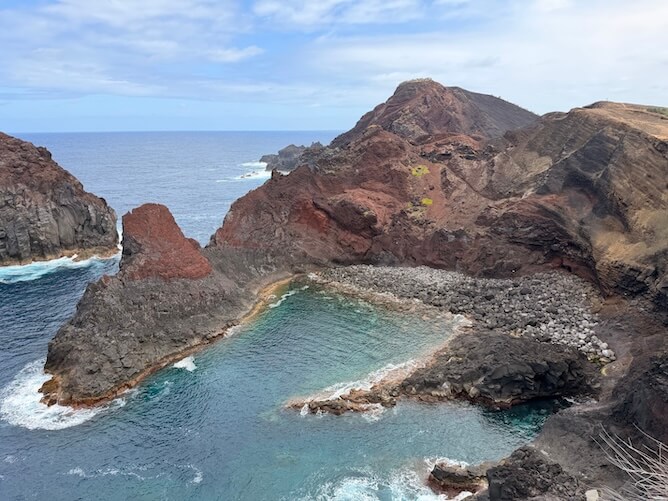
The Ponta da Barca Viewpoint is not well signposted, but it was undoubtedly one of the highlights of my trip to Graciosa Island.
As you drive from Santa Cruz da Graciosa toward Ribeirinha, keep an eye out for the lighthouse on the right-hand side of the road shortly after passing the Barro Vermelho Swimming Area. Turn right there and park your car.
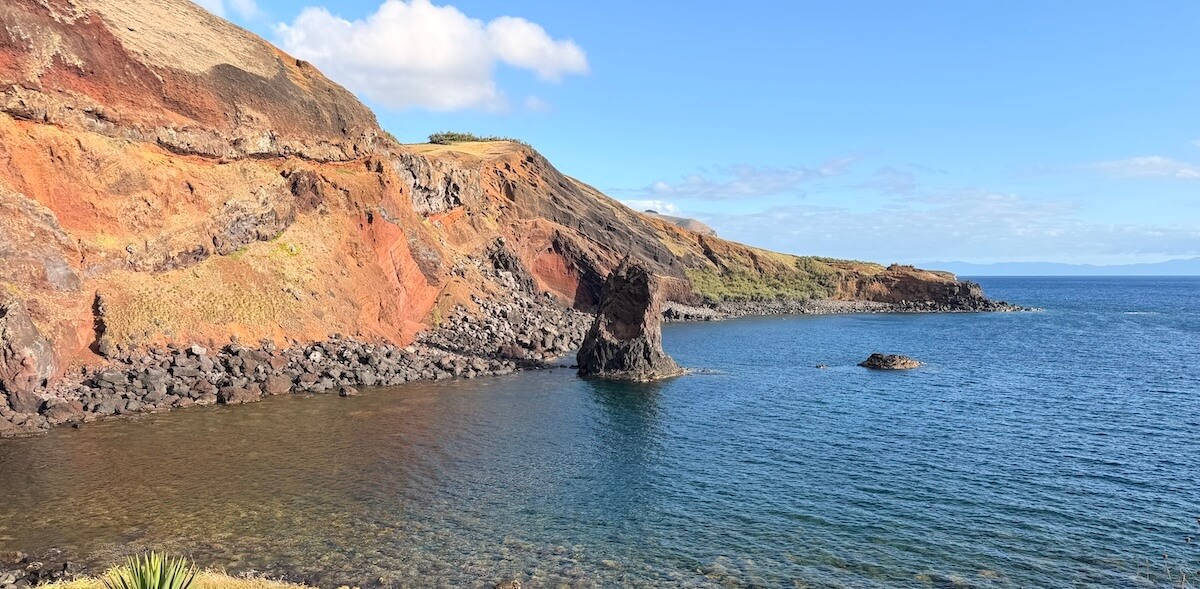
From the right-hand side of the parking area, you’ll be rewarded with breathtaking views of Ilhéu da Baleia (Whale Islet) and a beautiful cove nestled beside it. The scenery is absolutely stunning and, despite being one of the island’s most spectacular viewpoints, it remains surprisingly overlooked by many visitors.
Play with the donkeys of Graciosa
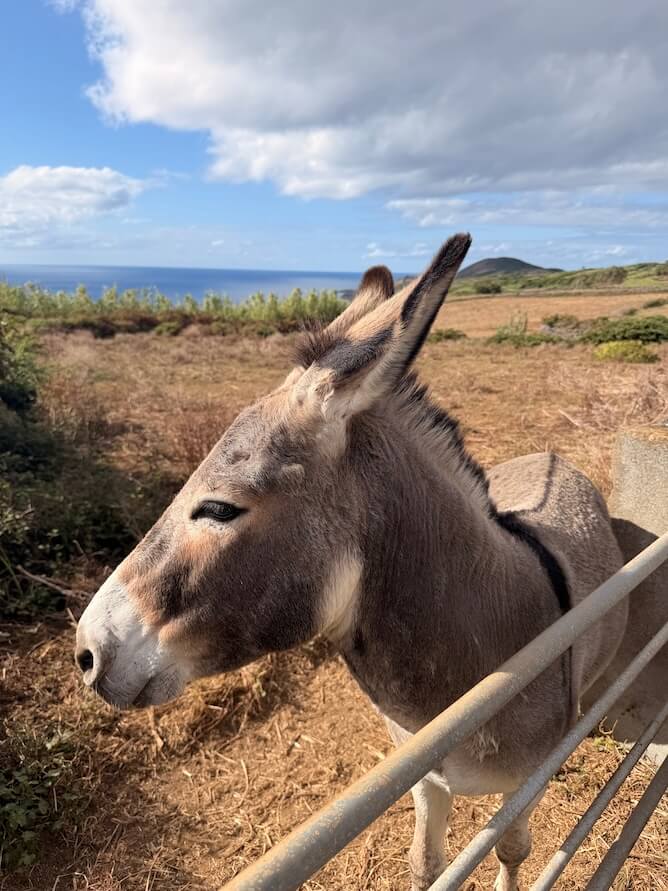
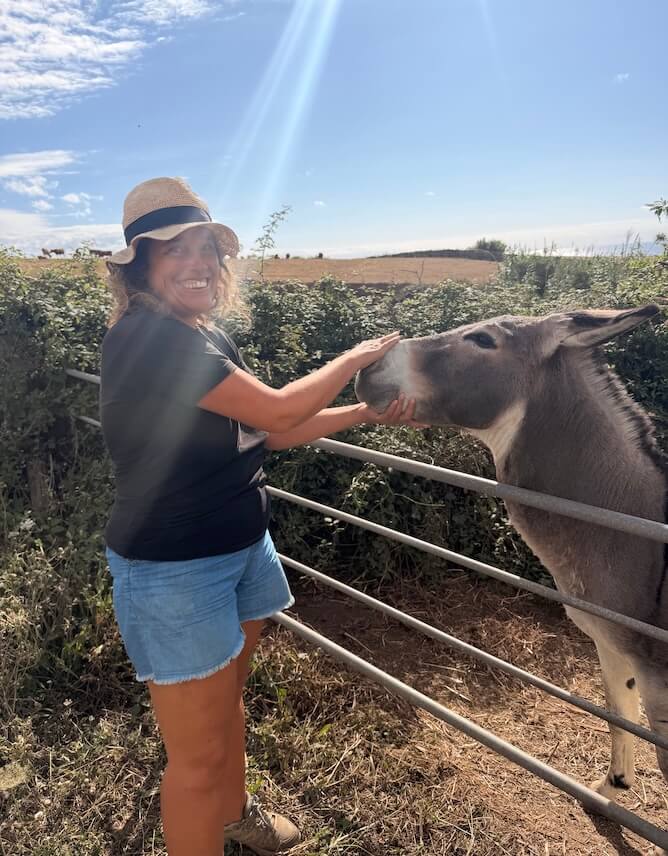
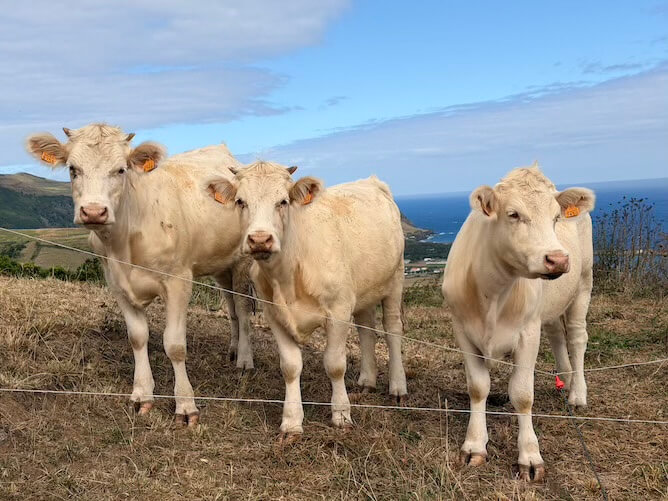
One of the best things I did on Graciosa Island was, without a doubt, visiting the donkey farm run by Franco and Sandra—two nature lovers who, along with others, took on the monumental and solitary effort of getting the Graciosa dwarf donkey recognized and protected as an official breed.
I was welcomed by Sandra, who, with all the warmth and joy in the world, showed me the 18 little donkeys in her care. They are gentle, beautiful, sweet animals.
Sandra has a truly unique inner light, a sense of peace and joy that comes from someone at peace with life, and she welcomes you with all the time in the world and endless patience to answer every single question. God bless people like this, who champion and protect what is most authentic about the Azores!
Price: So far the visit is free, but I strongly encourage you to leave a cash donation to help support Sandra and Franco’s donkeys.
How to book your experience: send an email to sandramarisasantos26@gmail.com
Learn about the island at Graciosa’s museum
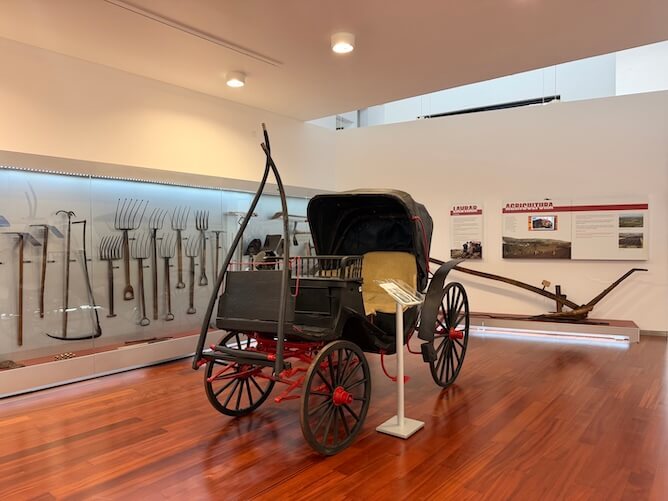
The Graciosa Museum is small, but larger than I expected, with several well-curated sections dedicated to the island’s traditional industries, including grain production, winemaking, pottery, shoemaking, and carpentry. Each area showcases a fascinating collection of historical tools and equipment, offering a glimpse into the daily lives of past generations.
Upstairs, you’ll find a permanent exhibition about the Azorean community in the United States, as well as displays highlighting the island’s festivals, with a special focus on Carnival — one of the most important and beloved traditions on Graciosa.
And yes, if you’re worried about the language barrier, don’t be — the museum information panels are also available in English :)
Overall, I think the Graciosa Museum is an excellent place to visit at the beginning of your stay. It provides valuable context about the island’s history, culture, and traditions, helping you better appreciate everything you’ll see during the rest of your trip.
Price: 1€ per person (in 2026).
Schedules: from Tuesday to Sunday, from 10h to 17h30. It closes on Mondays.
Explore Graciosa’s wildest coastal landscape

One thing I wasn’t expecting at Graciosa island, given how low everyone set my expectations about it, is to enjoy such great views on the coast. In fact, Graciosa is home to beautiful vantage points like Miradouro da Ponta da Barca, but also to extraordinarily places like Porto Afonso.
Imagine a small, hidden harbor carved into the red cliff face, surrounded by crystal-clear waters. Here at Porto Afonso, fishermen hollowed out shelters for their boats right into the rock, creating a truly unique, idyllic setting.
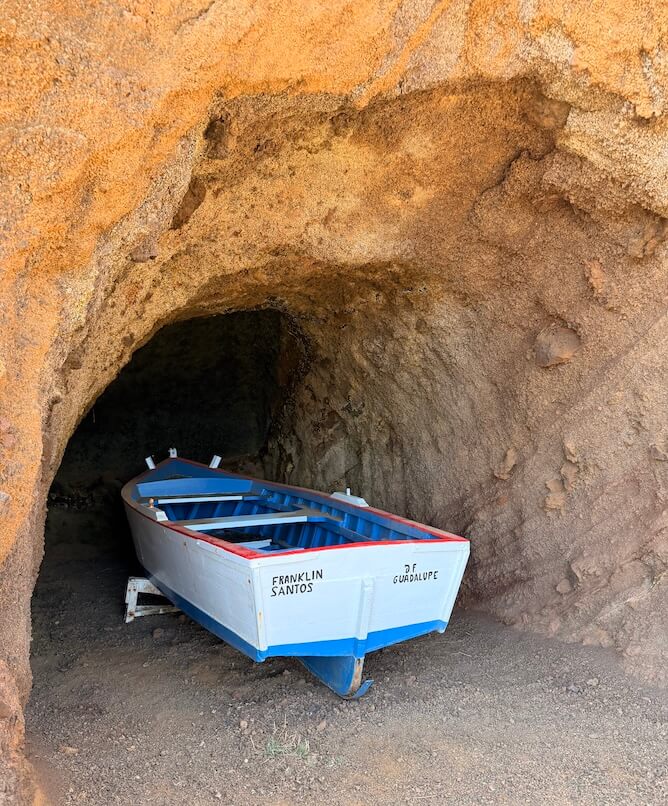
Porto Afonso is a gorgeous spot to take a relaxing swim in pristine waters. Just keep in mind that the road to get there is quite steep; so when you spot the water and reach a dirt parking area on your right, park the car and walk the rest of the way.
Taste the Queijadas da Graciosa
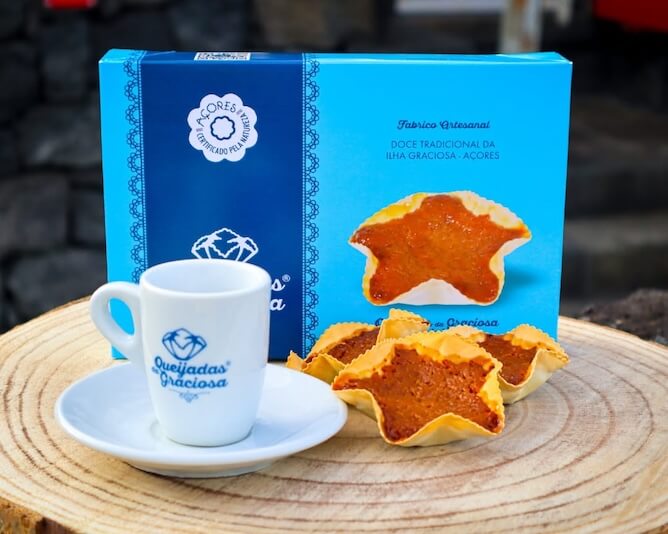

Milk tarts (covilhetes de leite) have long been a cherished homemade treat across Graciosa, but it was in the 1980s that Dona Maria de Jesus began baking them to sell. They were such a hit that her recipe blossomed into a thriving family business. Today, the factory employs 10 locals and produces roughly 4,000 queijadas daily, exporting these star-shaped, cinnamon-dusted delights to mainland Portugal, the US, and Canada.
If you want to catch the action live, public visits to the Fábrica das Queijadas da Graciosa are open Monday through Friday between 9h and 10h. I had the pleasure of meeting Paulo, Dona Maria’s son, who gave me a wonderful look into their production process and introduced me to his dedicated team. Naturally, a fresh batch of queijadas made its way directly into my bag to sweeten the rest of my island adventure!
Schedules: from Monday to Friday, from 9h to 10h.
Price: in 2026 it was free of charge, but I highly recommend you to buy some queijadas to support this local business and show your appreciation for the guided visit.
Relax at Termas do Carapacho
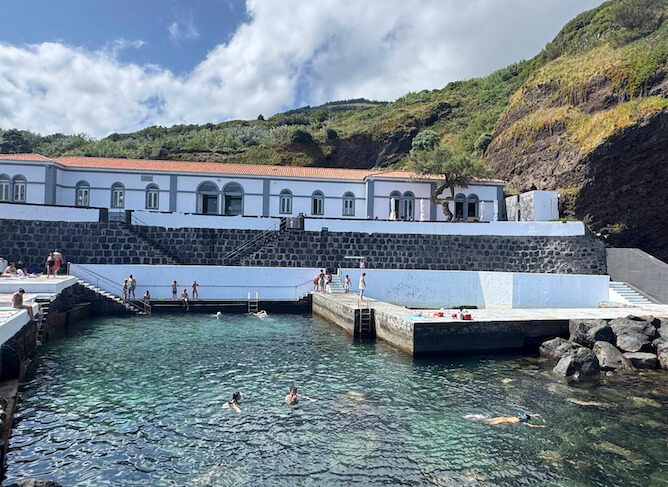
Founded in 1892, Termas do Carapacho is a wonderfully humble, unpretentious spot right on the coast. It’s small, but they offer great treatments using the island’s natural volcanic thermal water—from relaxing thermal baths and facial massages to a full Vichy shower with body exfoliation. Because space is quite limited, you’ll definitely want to book your treatment in advance.
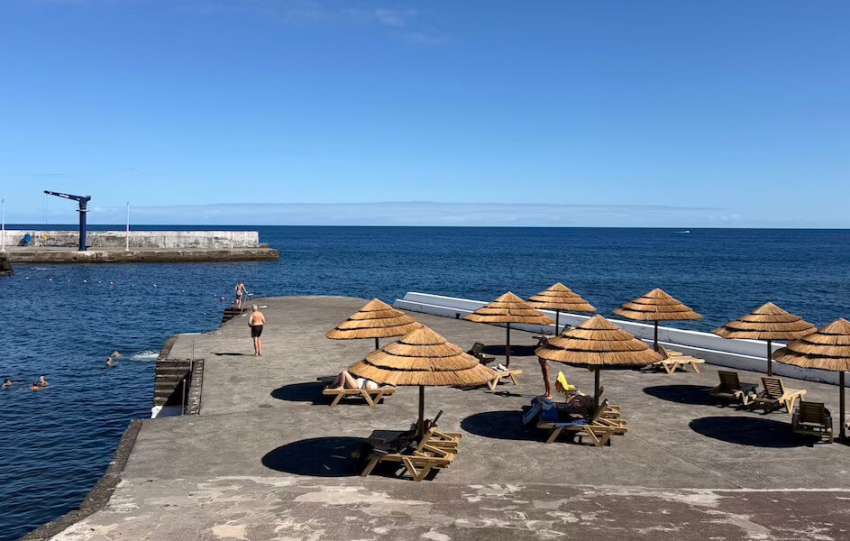
Right next door, the Carapacho Natural Pools are an absolute joy. Natural volcanic rock shelters the swimming area from the rough open ocean waves, and there’s even a calm, shallow pool created just for kids. It’s one of the most popular places to take a dip on the island, so if you want to snag one of the wooden sun loungers facing the sea, try to head down early in the morning!
Price: the thermal bath is just 8€ / person. Spa treatment range from 30€ to 85€, depending on what you choose (prices in 2026).
Schedules: from Monday to Friday, from 10h to 20h | Saturday and Sunday, from 10h to 21h.
How to book your experience: send an email to
geral@termasdocarapacho.com
Taste Local Liqueurs at Casa Museu João Tomaz Bettencourt
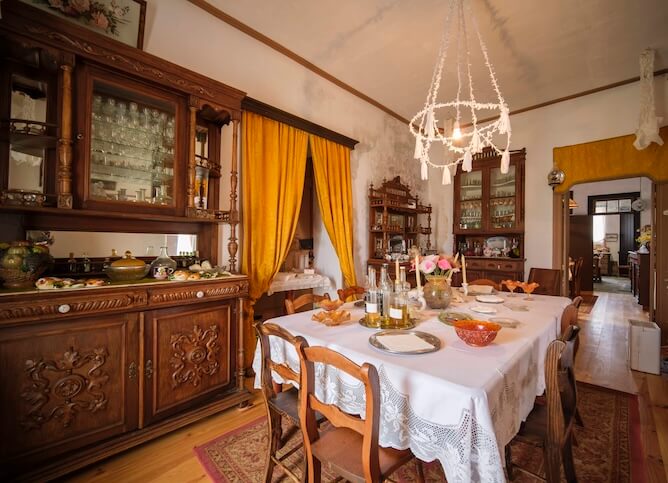
One place that is completely off radar is the tiny town of Guadalupe, once considered the “breadbasket of the island”. There, you’ll find not only a beautiful church but also a very unusual museum.
Casa Museu João Tomaz Bettencourt was once Graciosa’s most important 19th-century general store. It’s a fascinating spot crammed with antique dry goods, old-school farming tools, and vintage items that show how islanders traded goods for decades.
The real star of the visit, though, is Dona Maria José. She welcomes visitors with genuine island warmth, sharing stories about the store’s history before pouring a tasting of homemade Azorean liqueurs paired with traditional local biscuits. Sipping a glass of sweet fig or fennel liqueur while chatting in this time-capsule shop makes it one of the warmest, most authentic stops on the island.
Schedules: from Monday to Saturday, after 14h.
How to book your experience: call Dona Maria José on +351916522483.
Spot the Red-Domed Windmills
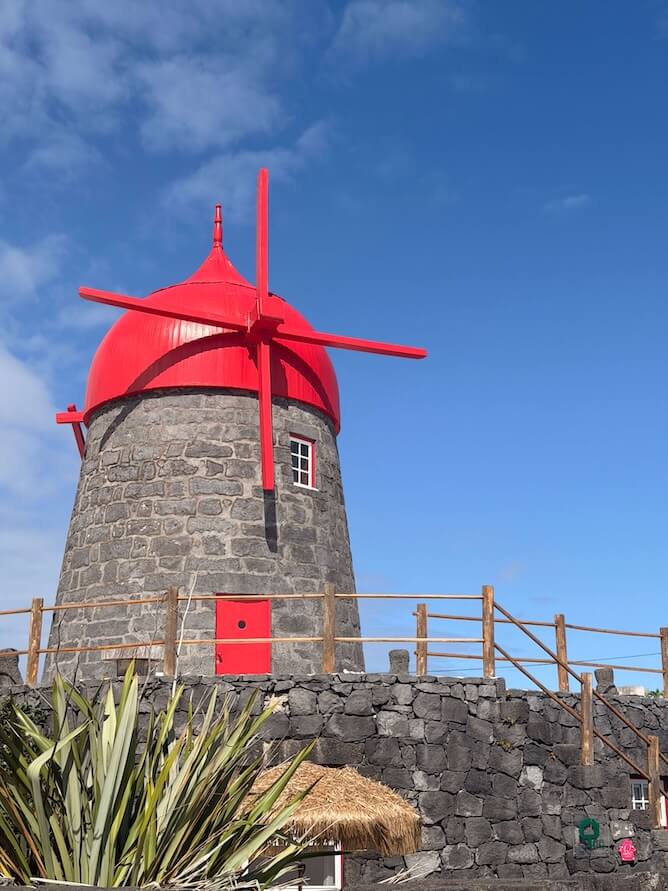
One of Graciosa’s most distinct features is its striking collection of red-domed windmills. Built in the 19th century under Flemish influence to grind local grain, these white lime-washed structures topped with bright red, onion-shaped roofs are dotted across the island’s landscape—especially around Vila da Praia.
Beyond just taking photos of these iconic landmarks, you can actually stay inside one. Windmills like Moinho Boina de Vento have been converted into unique self-catering accommodations right on the ocean’s edge. Reviews for staying in a converted windmill tend to be a bit mixed—as the unique circular layout and rustic setup aren’t for everyone—so it’s worth reading through recent guest feedback to decide if it suits your travel style.
Stroll Santa Cruz da Graciosa
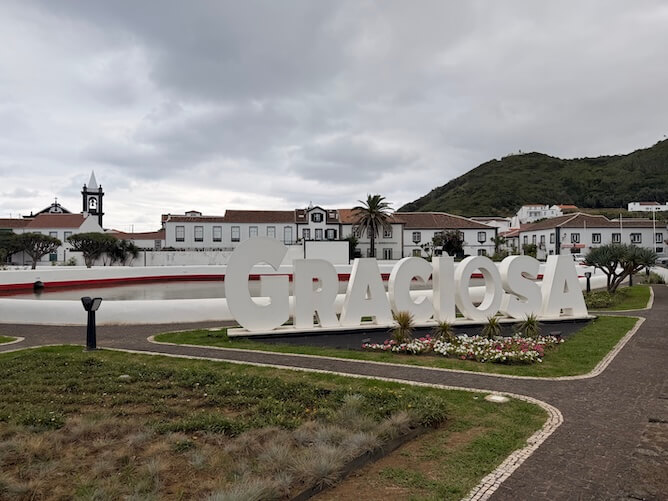
Taking a slow stroll through Santa Cruz da Graciosa is easily one of the best things to do in Graciosa island. The capital is remarkably pretty and untouched, filled with historic whitewashed mansions, cobblestone streets, and a quiet, welcoming charm.
At the center of town lies the main square, famous for its two massive water basins framed by large trees. Right nearby, you can visit the Graciosa Museum, housed in a former manor house, to learn about the island’s whaling history and traditional lifestyle.
I also discovered this amazing azulejos tiles’ panel inside the main church(it is called “Igreja Matriz de Santa Cruz” on google maps). What a find!
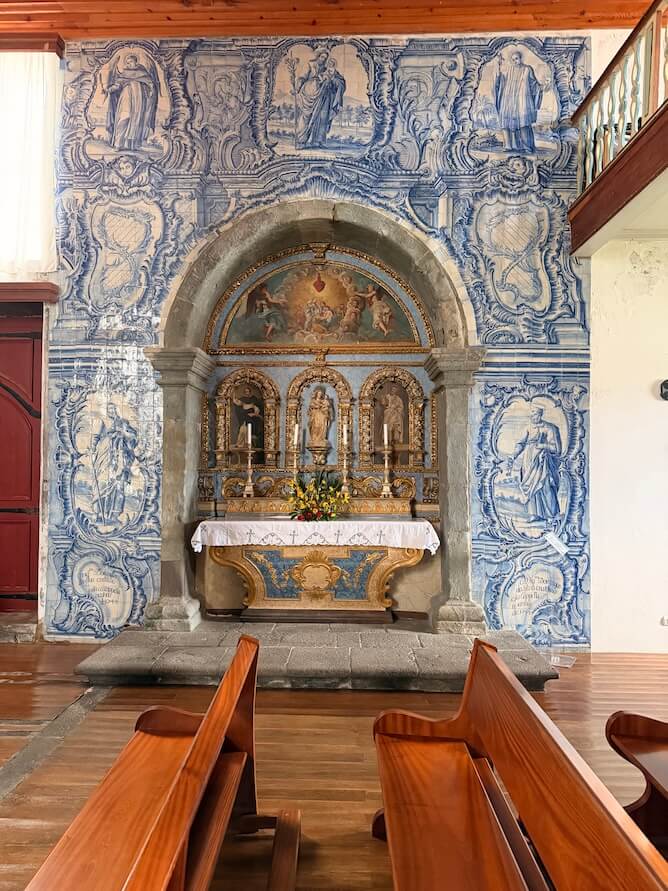
Afterwards, walk over to Zona Balnear da Calheta to take a quick dip in the sheltered ocean waters right in town. It is a lovely place to slow down, sip a coffee, and just enjoy the local atmosphere.
Frequently asked questions about Graciosa island in the Azores
How to get to Graciosa island?
You can reach Graciosa either by plane or ferry:
- By Air: SATA Air Açores operates daily flights connecting Graciosa Airport (GRW).
- From Terceira (TER): Flights run daily and take just 30 minutes.
- From Ponta Delgada, São Miguel (PDL): Flights run daily (direct or via Terceira) and take about 55 minutes direct.
- By Sea: Ferry operator Atlânticoline runs seasonal passenger and car ferries connecting Graciosa’s port (Vila da Praia) with the rest of the Central Group.
- Operating Season: The ferry service runs during the warmer months, roughly from mid-June to mid-September (the Yellow Line).
- Routes & Durations: You can sail to Graciosa directly from São Jorge (Velas, ~2h35m), Terceira (Praia da Vitória, ~3h30m), Pico (São Roque, ~3h45m), or Faial (Horta, ~5h15m).
For more information about the ferries, check the website of Atlânticoline.
Where to stay in Graciosa island?
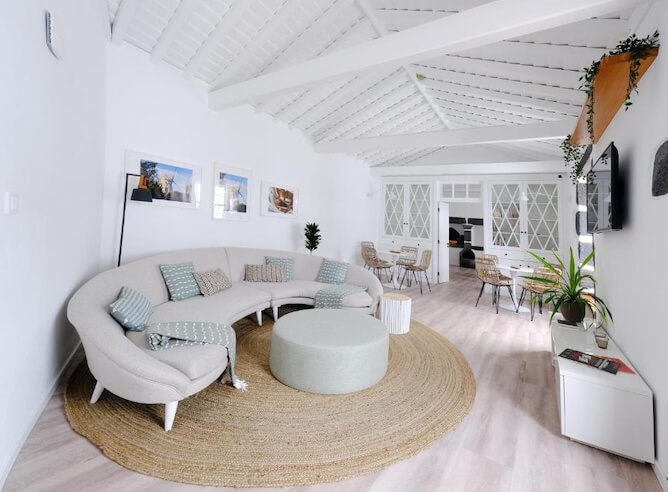
Graciosa is a tiny island in the middle of the Atlantic, so there are not many accommodation options. There is only a single hotel in Graciosa island and a hostel so good that it feels like a proper hotel. Fortunately, there are plenty of amazing country houses to choose from:
- Casa do Paúl
- Casa and Company – Azorean Boutique House
- Casa de Campo Rocio do Mar
- Casa da Emilie
- Portas do Ilhéu
- Casa do Padre
In terms of location, it doesn’t really matter because the island is so small that you’re always a 15 minutes drive from anywhere 😂 However, I do recommend you to book as soon as possible because some places get sold out with one year in advance (true story!).
How to move around in Graciosa island?
Renting a car is by far the best way to explore Graciosa. Public transportation is very limited and doesn’t align well with a tourist schedule, and taxis are few and far between. The island’s roads are well-paved, peaceful, and very easy to drive. Make sure to book your rental car well in advance, as local fleets are small and sell out quickly in summer.
I usually use price aggregators like AutoEurope or DiscoverCars but to be honest there were no cars available there when I went to Graciosa, so I had to dig deep to find these two car rentals:
- Rent-a-Car Bettencourt, which I used to rent my car. They are solid. You can reach them on rentacarbettencourt@gmail.com
- Rent-a-Car Graciosa. I ended up not booking with them, but they replied my emails super fast. You can reach them on reservas@rentacargraciosa.com
How many days should I stay in Graciosa island?
Two to three full days are ideal to see all the major highlights—including Furna do Enxofre, the thermal pools, Porto Afonso, and the iconic windmills—at a relaxed pace. If you love slow travel, quiet hikes, and peaceful coastal days, staying 4 or 5 days will give you time to settle into the island’s gentle rhythm without rushing. I actually stayed for 5 days and I would have been happy to stay more :)
Is Graciosa island suitable for young kids?
It’s a mixed bag—it really depends on what your family is looking for. On the positive side, the island is tiny, incredibly safe, and has virtually no traffic, making getting around stress-free. The oceanfront at Praia offers a rare sandy beach with calm waters, and the Carapacho natural pools even feature a sheltered, shallow pool built specifically for children.
However, don’t expect dedicated kid-centric attractions. Major sights also require physical effort: reaching the inside of Furna do Enxofre, for example, means navigating a steep, winding tower with 183 stairs down (and back up!), which can be a real challenge for toddlers or parents carrying gear. If your family enjoys simple nature, swimming, and a slow pace, it works well; if you need constant structured activities or stroller-friendly paths everywhere, it might feel a bit limiting.
When is the best time to visit Graciosa island?
Generally, May through September offers the warmest temperatures and the best chances of sunny days for swimming and hiking. However, weather in the Azores is notoriously unpredictable—the locals aren’t joking when they say you can experience all four seasons in a single day! I’ve personally experienced horrible weather in August and absolute perfection in November. Use the summer window as a general guide, but always pack layers and a rain jacket regardless of when you visit. It’s always a bit of a gamble, but that’s part of the Azorean charm.